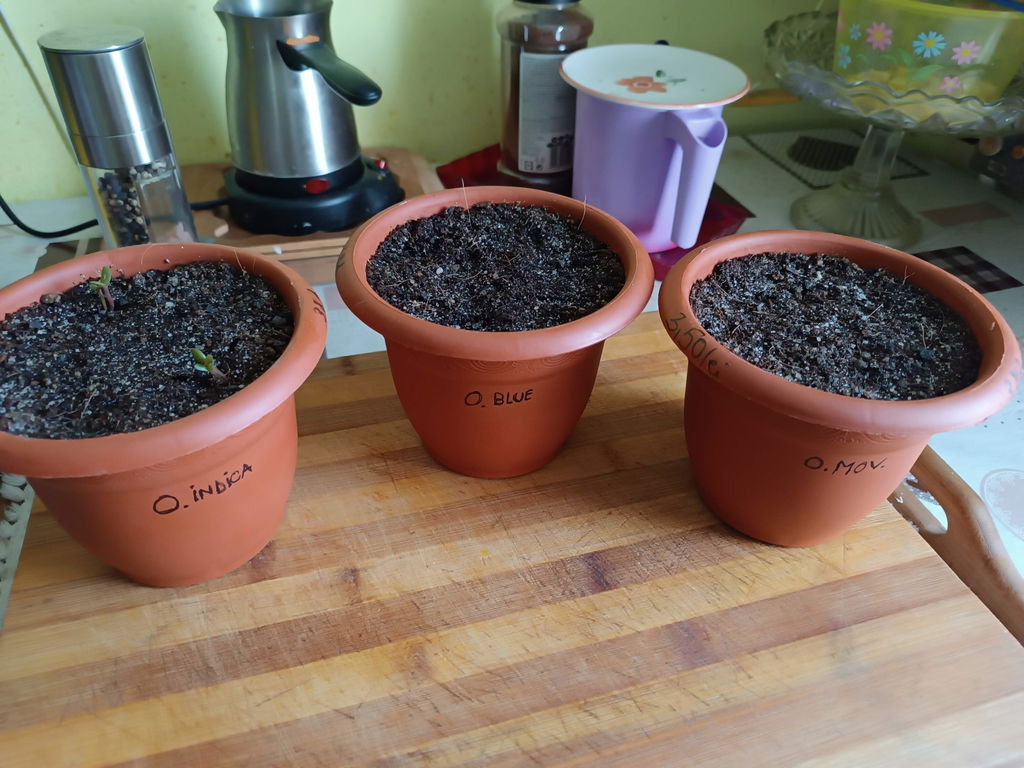
Palm Seeds

Palm seeds are our widest collection of exotic species — from frost-resistant palms that you can plant in a Polish garden to tropical indoor palms for bright interiors and greenhouses. Each batch is tested for germination and packed by hand, and we include a paper sowing instruction with every order. We ship throughout the European Union.

The most important factor when choosing is not how the palm looks, but where you will keep it during the winter. Therefore, below we divide the assortment according to frost resistance and purpose — choose the section that fits your conditions, then proceed to specific species in the catalog below. For more exotic plants, also check the main category exotic plant seeds.

How to choose palm seeds? Frost resistance and purpose

Successful cultivation depends on matching the species to the conditions you can provide — especially in winter. The assortment is divided into three groups:

1. Frost-resistant palms — for planting outdoors in Poland. The most durable is Trachycarpus fortunei (Fortune’s hardy palm), which tolerates drops to about -17°C and has been planted outdoors in temperate climates for years. The three-spined palm (Trithrinax campestris, -10 to -15°C outside the growing season) is also very hardy. Washingtonia robusta withstands down to about -5°C and requires winter protection in our climate.

2. Terrace and pot palms. Outdoors in summer, indoors in a cool, bright room in winter (about 2-10°C). This group includes Livistona, fish-tail palm (Caryota), and cycads — palm-like but cultivated under similar conditions.

3. Indoor and greenhouse palms. Tropical species intolerant of frost, grown indoors year-round: areca palm (Dypsis lutescens), fan palms (Licuala), pinanga, veitchia, arenga. They work well as large decorative plants for living rooms or offices.

If you are starting your adventure with palm seeds, begin with the first group or with areca — these species are the most forgiving of mistakes.

True palms and palm-like plants — what you’ll find in this category

Most of our seeds are true palms from the Arecaceae family. However, we have also deliberately included palm-like plants that many growers search for under the term “palm” and which create a similar exotic effect:

Japanese sago palm (Cycas revoluta) — a living fossil older than dinosaurs, often mistaken for a palm; one of the most frost-resistant species in this group. Madagascar palm (Pachypodium lamerei) — botanically a succulent, with a palm-like leaf rosette on a spiny trunk. Birds of paradise (Strelitzia) — palm-like in shape; the full range is available in the strelitzia seeds category.

This way, you get the whole “palm” atmosphere in one place — from classic palms to striking plants with a similar silhouette.

Where do our palm seeds come from

We source seeds from trusted producers and direct sources worldwide — cooperating with plantations, botanical gardens, and experienced collectors. Each batch is tested for germination ability, and seeds are packed by hand to ensure freshness.

We include a paper sowing instruction tailored to the species with every order, and we maintain a broader base of guides on our gardening blog. All products are legal and marketed in compliance with phytosanitary requirements.

How to sow palm seeds — basics

Freshness matters. Palm seeds have a relatively short lifespan and germinate best when fresh — sow them as soon as possible after receiving.

Soaking. Most species benefit from soaking in warm water for 24-72 hours (change the water once a day) — this softens the hard seed coat.

Warmth and moisture. Sow in a well-draining, slightly moist substrate, cover with a mini greenhouse, and provide consistent bottom heat (about 25-30°C). A heating mat significantly speeds up and evens out germination.

Patience. Palms germinate slowly and unevenly — from several weeks to several months. This is normal; don’t discard the pot too early.

Once seedlings develop, start fertilizing with formulas suited for palms — dedicated fertilizers can be found in the palm fertilizers category.

Frequently asked questions

Which palm seeds are frost-resistant and suitable for planting outdoors in Poland?
The most frost-resistant are Trachycarpus fortunei, tolerating drops to about -17°C, and the three-spined palm (Trithrinax campestris), tolerating -10 to -15°C outside the growing season. Washingtonia robusta withstands down to about -5°C and requires winter protection in the Polish climate.

How long do palm seeds take to germinate?
Palms germinate slowly and unevenly — from several weeks to several months, depending on species and seed freshness. Consistent substrate warmth (around 25-30°C) is key; a heating mat noticeably speeds and evens out germination.

Do palm seeds need soaking before sowing?
In most cases, yes. Soaking in warm water for 24-72 hours softens the hard seed coat and stimulates germination. Detailed recommendations for each species are included in the instruction with every order.

Which palm from seeds is easiest for beginners?
The easiest are Trachycarpus fortunei and Washingtonia robusta (frost-resistant, fast-growing) and areca palm (Dypsis lutescens) as an indoor species. All tolerate home conditions well and forgive minor care mistakes.

Do you ship palm seeds throughout the European Union?
Yes, we ship to all European Union countries. Delivery cost and time depend on the destination country and chosen method. Most orders are shipped the same or next business day.

How should palm seeds be stored and are they fresh?
Palm seeds have a short lifespan and germinate best when fresh, so it’s best to sow them quickly after receiving. Until sowing, store them in a cool, dry, and dark place. Our seeds are tested for germination and packed by hand.


124 products

  • Nasiona Palmy Bożonarodzeniowej (Adonidia merrillii) Nasiona Palmy Bożonarodzeniowej (Adonidia merrillii)

    Christmas Palm Seeds - Adonidia Merrillii

    Adonidia merrillii – Christmas Palm Adonidia merrillii, known as the Christmas Palm, is a small and elegant palm native to the tropical regions of Southeast Asia. In the wild, it grows in warm and humid climates, but it has become widespread in cultivation across many tropical and subtropical areas worldwide. Its common name comes from the bright red fruits that ripen at the end of the year, resembling holiday decorations. Shape and distinctive features The Christmas Palm is characterized by a straight, slender trunk with a gray color, marked by noticeable scars from fallen leaves and a slight swelling at the base. The top of the trunk is crowned with a short, green crownshaft from which several pinnate leaves emerge, with segments curved downward in an arching shape. Its compact form makes it ideal for planting in groups, along pathways, or as a solitary specimen. In tropical gardens, it reaches moderate sizes, making it easy to integrate into both public and private spaces. Under favorable conditions, it produces striking clusters of red fruits that persist for many weeks. Growth and adaptation Adonidia merrillii is a relatively fast-growing species and easy to propagate from seeds, which germinate without much difficulty. The palm shows good tolerance to occasional soil drying, lower air humidity, and less-than-ideal care conditions. It performs well in urban environments and areas with moderate soil salinity. In the past, its cultivation was limited by the lethal yellowing disease, but this problem is now much less common. Growing requirements In temperate climates, Adonidia merrillii can only be grown in containers, as it does not tolerate temperatures below 0°C. Drops below +1°C can cause leaf damage and, in extreme cases, plant death. It grows best in sunny locations, though it also tolerates light shade. The soil should be fertile and well-draining. The plant reacts poorly to prolonged waterlogging in the root zone, so efficient drainage is essential. In summer, the palm can be placed on a balcony, terrace, or garden, where it grows vigorously and displays its decorative leaves. In autumn, before the cold sets in, it should be moved to a bright room with temperatures above 15°C. Watering should be regular, allowing short periods of slight drying of the topsoil. During the growing season, fertilizing with potassium-rich and micronutrient-containing products is recommended to support proper growth and maintain the intense leaf color. Decorative use Thanks to its elegant form, green crownshaft, and decorative fruits, the Christmas Palm is an attractive element for interior design, greenhouses, and summer garden compositions. Its compact size and relative tolerance to minor cultivation errors make it suitable for both beginners and more experienced palm enthusiasts. This species combines subtle elegance with functionality and can delight for many years in container cultivation if provided with proper wintering conditions.

    9,90 zł - 244,90 zł

  • Nasiona Szorstkowca Wagnera x Nanus (Trachycarpus wagnerianus x nanus) Nasiona Szorstkowca Wagnera x Nanus (Trachycarpus wagnerianus x nanus)

    Trachycarpus Wagnerianus x Nanus Seeds - Trachycarpus Wagnerianus x Nanus

    Trachycarpus wagnerianus × nanus – Wagner’s Trachycarpus x Nanus Trachycarpus wagnerianus × nanus is an interesting hybrid created by crossing Trachycarpus wagnerianus and Trachycarpus nanus. This is an artificially produced cross – it does not occur naturally in the wild, and each plant is the unique result of a controlled pollination process. The combination of two hardy species has resulted in a palm with a compact form, slow growth rate, and very good cold tolerance. Form and distinctive features The hybrid combines the dwarf character inherited from T. nanus with the stiffer, elegant leaves typical of T. wagnerianus. This allows the plant to maintain a compact size while presenting a neat, attractive crown. One of the more interesting features of Trachycarpus wagnerianus × nanus is its ability to flower at an early stage of development, even before a visible trunk has formed. This rare phenomenon among palms means that even young specimens can be decorative. The plant grows slowly but increases its resistance to adverse weather conditions as it matures. Its compact form and moderate growth rate make it suitable for smaller gardens and container cultivation. Cold tolerance One of the most notable traits of this hybrid is its high frost resistance. Enthusiasts’ experience suggests it may be more resilient than the popular Trachycarpus fortunei. Well-rooted, mature plants grown in the ground can survive short-term temperature drops to around –17°C, and under favorable conditions even down to –20°C. The leaves of mature plants show resistance in the range of –12°C to –14°C, maintaining relatively good visual condition. This allows the palm to be a garden feature even outside the summer season. Growing requirements Trachycarpus wagnerianus × nanus can be grown both in the ground (in warmer parts of Europe or with appropriate winter protection) and in large containers. Container cultivation allows easy relocation of the plant to a sheltered spot during severe frosts. It prefers sunny or lightly shaded locations. The soil should be well-drained and moderately moist, without waterlogging in the root zone. Well-drained soil supports healthy root development and increases the plant’s resilience. Thanks to its slow growth, the palm is ideal for terraces, balconies, and small gardens. Its compact size allows you to add an exotic touch without the risk of excessive spreading. Uses and decorative value The combination of a compact form, elegant leaves, and high climate tolerance makes Trachycarpus wagnerianus × nanus an appealing choice for palm collectors and those seeking species adapted to temperate climates. Although its growth rate is moderate, the plant gains durability and stability with age. It is an attractive option for both home gardens and container cultivation, where its exotic character can be showcased throughout the growing season.

    13,90 zł - 379,90 zł

  • Nasiona Szorstkowca Martianus 'Nepal' (Trachycarpus martianus 'Nepal') Nasiona Szorstkowca Martianus 'Nepal' (Trachycarpus martianus 'Nepal')

    Trachycarpus Martianus 'Nepal' Seeds - Trachycarpus Martianus 'Nepal'

    Trachycarpus martianus ‘Nepal’ – Martianus Fiber Palm 'Nepal' Trachycarpus martianus ‘Nepal’ is a unique Himalayan form of the fan palm, naturally occurring in Nepal, where it inhabits mountain slopes at altitudes reaching up to 2400 m above sea level. It was introduced into cultivation in the mid-1990s and has since gradually gained recognition among exotic plant enthusiasts, especially in the cooler climate zones of Europe. The natural environment of this palm is characterized by lower temperatures, strong sunlight, and periodic water shortages. These conditions have shaped a plant with increased tolerance to cold and drought, distinguishing it from the more subtropical forms of the Trachycarpus genus. Because of this, the ‘Nepal’ variety offers an interesting alternative for those seeking an exotic palm adapted to a temperate climate. Form and distinctive features Compared to the popular form from the Khasi Hills, Trachycarpus martianus ‘Nepal’ has slightly smaller leaves, reaching about 50 cm in diameter. The leaf blades have fewer segments, are usually darker and more compact, giving the plant an elegant, orderly appearance. The compact crown structure makes the palm look harmonious both as a solitary specimen and in compositions with other exotic plants. In its natural habitat, the plant can grow up to 10 meters tall. In cultivation, especially in containers, growth is usually more moderate, which makes it easier to control size and fit it into available space. This variety is considered a fast-growing palm, so under suitable conditions it quickly develops an impressive, dense leaf crown. Hardiness One of the most important features of this form is its increased tolerance to frost and periodic drought, resulting from adaptation to life in the higher, cooler, and less humid parts of the Himalayas. Trachycarpus martianus ‘Nepal’ can withstand temperatures down to about -14°C, allowing it to be grown outdoors in warmer regions of the temperate climate, provided it has a suitable location and winter protection. The plant also tolerates short periods of drought well, as long as its root system is not in constantly wet, heavy soil. Excess moisture, especially during cold periods, can negatively affect root health, so proper drainage is crucial when cultivating this palm. Growing requirements Trachycarpus martianus ‘Nepal’ thrives best in well-drained, permeable soil rich in organic matter. It prefers sunny or slightly sheltered locations, especially in the cooler parts of Europe, where adequate light helps maintain a compact form and intense leaf color. When planting in the ground, it is advisable to choose a spot protected from the strongest winds, for example near a south-facing building wall. In the first years of cultivation, protecting the plant from severe frosts is recommended to increase its chances of proper rooting and stable growth. In container cultivation, the palm also grows vigorously, though it reaches smaller sizes than in the ground. Due to its potential considerable height at maturity, it is worth planning enough space for it, both in a conservatory and in a greenhouse. During the growing season, regular watering and moderate fertilizing are recommended, while in winter watering should be reduced according to the plant’s growth rate. Thanks to its elegant form, rapid growth, and good cold tolerance, Trachycarpus martianus ‘Nepal’ is a valuable choice for collectors and palm enthusiasts looking for an exotic accent that can be grown in the temperate climate of Europe.

    9,80 zł - 144,00 zł

  • Nasiona Palmy Białokoronowej (Veillonia Alba) Nasiona Palmy Białokoronowej (Veillonia Alba)

    White-crowned Palm Seeds - Veillonia Alba

    Veillonia Alba - White-Crowned Palm Veillonia Alba, also known as Cyphophoenix alba, is an extremely rare palm native exclusively to New Caledonia, where it grows in the mountain forests of the Mt. Panié massif. In its natural habitat, it grows at altitudes up to 600 m above sea level, inhabiting gneiss and schist soils under conditions of high humidity. Its unique origin and spectacular appearance make it one of the most valuable collector’s palms in the world. Growth Characteristics and Appearance The White-Crowned Palm reaches a height of 7–10 meters, with a trunk diameter of about 12 cm. The most distinctive feature of this species is its smooth trunk with prominent rings in the upper part, covered with a white, waxy coating that sets it apart from all other palms. Particularly striking is the two-tone leaf sheath – the lower part is intensely white, gradually transitioning to rusty brown. This color contrast is unique even among the rich flora of New Caledonia. The palm’s crown consists of about 10 large, pinnate leaves over 2.5 meters long. The leaves are leathery, dark green with a lighter underside covered in fine scales. They are attached to petioles that often display brown or reddish spotting. The White-Crowned Palm is spineless – lacking thorns and monoecious, which greatly facilitates its care in container cultivation. Flowering and Fruiting Inflorescences develop beneath the leaf crown, forming long, slightly drooping structures. Initially, they are completely white due to the coating, turning green with age. The flowers are arranged in characteristic groups of three, and after pollination, brown, ellipsoidal fruits appear with a distinct sculpted surface and hard shell, adding an extra decorative element to the plant. Cultivation Requirements In cultivation, it thrives best in a tropical and subtropical climate with high air humidity. Although it shows some tolerance to short-term temperature drops, it does not withstand prolonged frost. In cooler parts of Europe, only greenhouse or container cultivation indoors with heating is possible. The plant requires: Plenty of light High air humidity Protection from drafts Stable temperature conditions Growth Rate and Care The growth rate of the White-Crowned Palm is slow, especially during the first years of development. This trait demands patience from the grower but also allows the plant to be maintained for a long time in limited spaces. Stable environmental conditions are crucial for the proper development of this rare species. Collector’s Value Due to its extraordinary appearance, relatively small size for a palm, and rarity, Veillonia Alba is a collector’s plant of exceptional value. Although its cultivation is not the easiest, the reward is owning one of the most decorative palms in the world – exotic, elegant, and almost unavailable in regular trade. It is the perfect challenge for enthusiasts and experienced gardeners seeking something truly unique for their collection.

    14,00 zł - 220,00 zł

  • Nasiona Likuali Lauterbacha (Licuala lauterbachii) Nasiona Likuali Lauterbacha (Licuala lauterbachii)

    Licuala Lauterbachii Seeds - Licuala Lauterbachii

    Licuala lauterbachii - Lauterbach's Licuala Licuala lauterbachii is a unique member of the palm family, characterized by solitary growth and an exceptionally decorative form. This species stands out among other tropical palms due to its distinctive morphology and intense leaf color, making it a valuable addition to exotic plant collections. Growth and Form Characteristics The plant develops an upright, slender trunk reaching about 2 meters in height. Its most distinctive feature is the spectacular fan-shaped leaves measuring approximately 1 meter in diameter. The leaf blades are flat and circular, deeply divided into narrow, irregular segments resembling wheel spokes, giving the entire plant an elegant, architectural appearance. Particular attention is drawn to the leaf petioles up to 1.5 meters long, whose surfaces are covered with fine, dark hairs in shades of brown. A characteristic morphological feature is the unique spines shaped like scorpion stingers, which distinguish this species from similar Licuala palms. Decorative Features and Color The leaf color of L. lauterbachii is intensely dark green and deep, noticeably darker than related species. This rich coloration adds elegance and visual depth, making it an exceptional decorative element in indoor spaces. Development and Flowering The palm is characterized by slow but steady growth, making it an ideal candidate for long-term cultivation in large containers. An interesting aspect of its biology is the ability to flower relatively early, especially in container cultivation. During flowering, the plant produces large, impressive inflorescences, and after pollination, it develops numerous small fruits with an intense red color. However, it is important to remember that leaving the inflorescences on the plant may inhibit further development, slowing the growth of leaves and the main stem. Cultivation Requirements Due to its tropical origin, this species requires cultivation exclusively indoors or in greenhouses in temperate climates, where temperatures do not fall below 10°C. During summer, it can be temporarily placed outdoors in lightly shaded, sheltered locations, provided adequate humidity is maintained and protection from drafts and cool nights is ensured. The plant prefers consistently moist, well-draining soil and high air humidity. It requires regular watering to avoid drying out, but waterlogging at the roots must be prevented to avoid fungal problems. Use in Collections Licuala lauterbachii is an exceptional choice for collectors of rare and unique tropical palms. Its distinctive form, intense leaf color, and interesting morphology make it an extraordinary addition to exotic plant collections, sure to attract the attention of any tropical botany enthusiast.

    14,00 zł - 219,00 zł

  • Nasiona Likuali Cabalioniego (Licuala cabalionii) Nasiona Likuali Cabalioniego (Licuala cabalionii)

    Licuala Cabalionii Seeds - Licuala Cabalionii

    Licuala cabalionii – Cabalionii Licuala Licuala cabalionii, known as Cabalionii Licuala, is an exceptionally elegant palm characterized by a unique plant architecture. This species produces a single, slender trunk reaching up to 5 meters in height with a diameter of up to 8 cm. The trunk may lean slightly, with the lower part retaining characteristic remnants of dead leaves, while the upper section appears as a smooth surface in delicate shades of light brown or grayish tones. Distinctive Leaf Crown At the top of the trunk spreads a loose crown composed of about 12 fan-shaped leaves, which are the main decorative feature of this species. The leaves of Licuala cabalionii stand out with impressive size and an almost round shape, divided down to the base into several wide wedge-shaped segments. The central segments are wider than the side ones, which gradually narrow toward the edges, creating a harmonious composition. Each segment hangs gently, giving the entire plant a unique visual lightness. The leaf petioles reach an impressive length of up to 3 meters, are slender, and have small spines only at the base along the edges. This special leaf structure makes the palm a striking element in exotic spatial arrangements. Flowering and Fruiting Flowering occurs through spectacular hanging inflorescences that appear among the leaves and can reach lengths of up to 1.8 meters. The inflorescences consist of five branched axes, and their green bracts retain an attractive color even during fruit ripening. The flowers are single, borne on stalks, and arranged in a characteristic spiral pattern. After flowering, spherical fruits develop with a diameter of about 10 mm, which turn an intense yellow or orange color when ripe. Inside each fruit is a single seed with a distinctive grooved shell. Cultivation Requirements Licuala cabalionii is closely related to the popular Licuala grandis and requires very similar growing conditions. It prefers bright but sheltered locations away from direct sunlight, high humidity, and well-draining, rich organic soil. Due to its tropical origin, it does not tolerate low temperatures – the minimum cultivation temperature is about 1–2°C (hardiness zone 10b). In cooler regions of Europe, this species can only be grown as a potted plant indoors, in greenhouses, or conservatories, with the possibility of moving it outdoors only during the summer months. Decorative Use Its moderate growth rate makes it suitable for cultivation in limited spaces, requiring neither frequent repotting nor intensive pruning. Thanks to its decorative leaves and exotic form, it is ideal for palm collections, office spaces, or modern interiors inspired by tropical climates. The unique appearance resulting from its fan-shaped, deeply cut leaves offers an interesting alternative to more common palm species in home cultivation.

    18,00 zł - 286,00 zł

  • Nasiona Palmy Liwistona Speciosa (Livistona speciosa) Nasiona Palmy Liwistona Speciosa (Livistona speciosa)

    Livistona Speciosa Palm Seeds - Livistona Speciosa

    Livistona speciosa - Majestic Livistona Palm Livistona speciosa is one of the most impressive representatives of fan palms, which can reach monumental sizes in their natural habitat. This majestic palm features a slender, columnar trunk that can grow up to 25 meters tall with a diameter of about 30 cm. Its growth form makes it an excellent example of the classic tropical palm silhouette. Leaf and Growth Habit Characteristics The most striking decorative feature of Livistona speciosa is its spreading crown composed of 30–60 very large, fan-shaped leaves. Each leaf can reach impressive dimensions—up to 2 meters in length and similar in width. The leaf blades display an attractive bicolor effect: light green underneath and glossy on the upper surface, giving the entire crown a subtle, shifting shade depending on the viewing angle. A distinctive feature is the leaf petioles up to 2 meters long, often armed with orange-brown spines. This trait, typical of many species in the Livistona genus, provides natural protection for the plant and adds to its exotic character. Flowering and Fruiting Mature specimens of Livistona speciosa produce spectacular inflorescences up to 2 meters long, made up of greenish-cream flowers grouped in characteristic clusters of several flowers. After pollination, elliptical to obovate fruits develop, measuring 2.5–3.5 cm in length, which turn a very attractive blue-green color when ripe, adding an extra decorative element to the plant. Cultivation Requirements The palm requires a sunny to lightly shaded location and well-draining soil rich in nutrients. Clay soil enriched with organic matter is optimal, providing both suitable structure and fertility. A key aspect of care is maintaining consistent soil moisture while avoiding waterlogging—systematic but moderate watering works best. Growing in Temperate Climates In cooler regions of Europe, this palm can only be grown indoors or in greenhouses, as its minimum tolerated temperature is around -3°C. During summer, plants can be successfully placed on terraces or in gardens, ensuring adequate sunlight and protection from strong winds. In winter, it is essential to provide a location with plenty of light and temperatures above 10°C. The plant does not undergo a winter dormancy phase, so maintaining stable temperature and humidity conditions year-round is important for its proper growth and development. Care and Fertilization During the growing season, Livistona speciosa requires regular feeding with a balanced fertilizer that supplies appropriate proportions of macro- and micronutrients. Another important care practice is the systematic pruning of dried leaves, which helps maintain a healthy plant shape and focuses energy on developing new, healthy leaves.

    9,90 zł - 266,00 zł

  • Nasiona Szorstkowca Ukhrulensis (Trachycarpus ukhrulensis) Nasiona Szorstkowca Ukhrulensis (Trachycarpus ukhrulensis)

    Ukhrulensis Windmill Palm Seeds - Trachycarpus Ukhrulensis

    Trachycarpus ukhrulensis – Ukhrulensis Windmill Palm Trachycarpus ukhrulensis is a unique palm with distinctive morphological features that set it apart from other species in the Trachycarpus genus. In its natural habitat, it reaches an impressive height of up to 15 meters, forming a slender, straight trunk up to 30 cm in diameter. This elegant silhouette makes it one of the most attractive cultivated palms in temperate climates. Distinctive Trunk and Leaf Features The most recognizable feature of the Ukhrulensis windmill palm is the specific structure of its trunk. The lower part is almost completely free of fibers, which distinguishes it from many other palm species. Higher up, persistent leaf bases form an impressive, regular pattern resembling a turtle shell – this natural texture gives the plant a unique decorative character. The leaves have a fan-shaped structure and are notable for their exceptional thickness and stiffness. The upper surface of the leaf blades displays an intense dark green color, while the underside is covered with a distinct white coating. Mature specimens develop between 24 and 28 leaves, each composed of up to 70 segments – this rich structure makes the species one of the most striking in the entire Trachycarpus genus. Growth Cycle and Flowering Trachycarpus ukhrulensis reaches sexual maturity after growing to about 3 meters tall. Flowers appear from February, forming characteristic inflorescences typical of palms. The fruiting process is equally fascinating – fruits mature from November, undergoing a captivating color transformation from initial yellow, through brown, to nearly black at full ripeness. Cultivation Requirements The palm prefers well-drained, slightly acidic to neutral soils with a clayey texture that retains moisture well. Proper drainage is crucial for healthy root system development, while the right soil structure provides stability for the growing plant. Watering requires a moderate approach – during the growing season, water regularly, but in winter only when the substrate dries out significantly. Fertilize in spring and summer, preferably with a fertilizer formulated for palms, to supply the necessary nutrients for proper growth. Cultivation Possibilities in Temperate Climates In cooler regions of Europe, Trachycarpus ukhrulensis can be grown in two ways: in a pot with wintering in a bright, cool room, or planted outdoors with appropriate winter protection. The plant develops a deep root system, making transplanting a challenging task – therefore, it is worth carefully considering the final growing location for this impressive palm from the start.

    9,80 zł - 289,90 zł

  • Nasiona Palmy Solnej (Dypsis lastelliana) Nasiona Palmy Solnej (Dypsis lastelliana)

    Salt Palm Seeds - Dypsis Lastelliana

    Dypsis lastelliana - Solna Palm Dypsis lastelliana, commonly known as the Solna Palm, is a unique palm species native to tropical regions. In its natural habitat, this plant reaches impressive sizes, growing up to 15 meters tall, with a trunk diameter of up to 25 cm characterized by distinct ring markings. This spectacular palm is an excellent example of tropical elegance, combining a striking appearance with relatively easy cultivation. Distinctive Botanical Features The most recognizable feature of Dypsis lastelliana is its dark reddish-brown crown shaft, covered with velvety soft hairs. This distinctive element creates a beautiful contrast with the light green leaf bases, giving the palm a unique look. The palm’s leaves are feather-shaped and can reach lengths of up to 4 meters, consisting of 90-100 hanging leaflets arranged on each side of the main leaf axis. This arrangement gives the plant an elegant, regular form, highly valued in garden designs and interior decoration. This species is monoecious, meaning each specimen has a single, unbranched trunk. The palm produces impressive cream-colored bisexual flowers, grouped in spectacular, three-tiered branched inflorescences that can reach lengths of up to 2 meters. After pollination, oval, reddish fruits about 2 cm long develop. Cultivation Conditions in Temperate Climates In temperate climates, the Solna Palm can be grown as a potted plant, typically reaching 1-2 meters in height under these conditions. In warmer regions of southern Europe, where it can be grown outdoors, it attains much larger sizes. The plant prefers sunny or partially shaded locations, ideally sheltered from strong winds that can damage its delicate leaves. The soil should be fertile, well-draining, and consistently moist, but without waterlogging. The palm’s roots are sensitive to excessive moisture, which can lead to rot. The optimal temperature for growth is above 18°C, although the plant tolerates short-term drops to 4°C. Care and Fertilization Watering should be regular, allowing slight drying between cycles. Air humidity plays an important role in the palm’s proper development – the plant responds well to regular misting or placement near a humidifier. During the growing season, it is recommended to use a fertilizer rich in micronutrients, preferably slow-release. Proper fertilization supports healthy leaf growth and prevents magnesium and potassium deficiencies, to which the palm can be particularly susceptible. This care helps maintain the intense leaf color and the plant’s characteristic exotic appearance throughout the year.

    7,00 zł - 999,00 zł

  • Nasiona Palmy Diamentowej (Johannesteijsmannia altifrons) Nasiona Palmy Diamentowej (Johannesteijsmannia altifrons)

    Diamond Palm Seeds - Johannesteijsmannia Altifrons

    Johannesteijsmannia Altifrons - Diamond Palm Johannesteijsmannia Altifrons, known as the Diamond Palm, is one of the most exceptional members of the palm family. In its natural environment, it reaches a height of 3–6 meters with a width of up to 5 meters, displaying a unique, trunkless form that sets it apart from other palm species. Distinctive Morphological Features The greatest ornament of this palm is its monumental leaves, which can reach lengths of over 6 meters. The leaves grow directly from the underground stem, forming a compact crown composed of 20–30 glossy, leathery leaves with a characteristic rhomboid shape. Each leaf is single and undivided, which is rare among palms. The leaves are folded along their entire length and have serrated edges, giving them an almost graphic, geometric appearance. This unique structure makes Johannesteijsmannia Altifrons considered one of the most decorative palms in the world. Climate and Temperature Requirements The Diamond Palm is characterized by a slow growth rate, making it an excellent choice for winter gardens and spacious interiors. The minimum cultivation temperature is about 5°C, and the plant tolerates short temperature drops to -4°C, provided it is in a sheltered location. In temperate climates, cultivation is possible in a pot, with the option to place the plant on a terrace or garden during warmer months. Optimal conditions are temperatures above 16°C with high air humidity. Cultivation Conditions and Care The palm prefers partial shade or diffused light and does not tolerate direct sunlight, especially in dry climates. Young plants require protection from strong winds, which can damage their large leaves. The soil should be: Slightly acidic to neutral Rich in organic matter Well-draining but consistently moist Watering requires special attention – excessive drying out is dangerous for the plant, but too frequent watering can lead to root diseases. It is best to allow the soil to dry slightly between waterings. Fertilizing and Repotting Johannesteijsmannia Altifrons is particularly sensitive to deficiencies of magnesium and potassium. Once or twice a year, it is advisable to apply a slow-release fertilizer rich in micronutrients, avoiding contact of the fertilizer with the stem. Repotting should be minimized because the palm is especially sensitive to root system damage. During winter, it requires a bright, warm room with high humidity and a temperature not lower than 10°C.

    14,90 zł - 143,90 zł

  • Nasiona Palmy Raffii (Raphia farinifera) Nasiona Palmy Raffii (Raphia farinifera)

    Raffia Palm Seeds - Raphia Farinifera

    Raphia farinifera – Raffia Palm Raphia farinifera is one of the most impressive members of the palm family worldwide. This exceptional plant native to tropical Africa deserves special attention due to its monumental size – its feather-like leaves can reach up to 20 meters in length, making it the record holder among all plants on Earth for the size of a single leaf. Growth and Structure Characteristics The trunk of the raffia palm grows to about 10 meters in height and is distinguished by a characteristic structure covered with durable leaf sheaths, giving it a unique, rough appearance. The plant can grow singly or form dense clumps, making it especially attractive in spacious landscape plantings where it has enough room to develop freely. The development of this palm requires considerable patience – the plant flowers only once in its lifetime, usually after 20–25 years of growth. After flowering, it produces oval, shiny fruits that need another 5–6 years to fully mature. This long growth cycle highlights the uniqueness of the species and its importance in tropical ecosystems. Practical Value and Uses The greatest value of Raphia farinifera lies in its leaves, from which raffia fiber is obtained – a material prized worldwide. These fibers are known for their softness, flexibility, and ease of dyeing, making them widely used in various fields: In gardening as natural materials for tying plants In handicrafts for making baskets, mats, and decorations For making hats and hammocks Leaf veins are used in construction for making furniture and fences The trunk core serves as a source of starch, and oil with up to 24% fat content can be pressed from the fruit pulp, used both culinarily and for soap and stearin production. In traditional medicine, decoctions from roots and fruits are used for various ailments. Cultivation Requirements The raffia palm thrives best in conditions of high air humidity and consistently moist soil. It prefers well-drained clay soils rich in organic matter. Although it tolerates short dry periods, regular watering is required in cultivation, especially during warmer months. The plant needs bright, diffused light and, once mature, tolerates full sun well. In cooler regions of Europe, it cannot overwinter outdoors – the minimum cultivation temperature is about 5°C. It is suitable only for container growing and requires a bright, warm room with high humidity and temperatures not below 10°C during winter. It is perfect for orangery, conservatories, or summer terraces, where it can serve as a spectacular decorative element with a tropical character.

    19,70 zł - 63,70 zł

  • Nasiona Szorstkowca Takil (Trachycarpus takil) Nasiona Szorstkowca Takil (Trachycarpus takil)

    Takil Windmill Palm Seeds - Trachycarpus Takil

    Trachycarpus takil - Takil Windmill Palm Trachycarpus takil is a stately fan palm that can reach up to 15 meters in height under cultivation. It grows at a moderate pace and usually attains full size after several decades of patient waiting. This species is among the most hardy cultivated palms, making it especially valuable for lovers of exotic greenery in temperate climates. Morphological Characteristics The trunk of the Takil windmill palm is straight and rough, initially covered with distinctive fibers that naturally fall off with age, revealing the structural surface beneath. The leaf crown consists of impressive, fan-shaped leaves up to 1.2 meters in diameter, divided into numerous segments. A distinctive feature is the silvery underside of the leaves, which gives the plant a unique appearance among other species in the genus. In spring, mature plants develop large inflorescences, and female plants later produce black, spherical fruits. This developmental cycle indicates the plant’s maturity and its ability to reproduce naturally. Species Differentiation Trachycarpus takil is often confused with the more common Trachycarpus fortunei, but mature specimens show characteristic differences. These plants are generally more robust, have more evenly divided leaves, and fewer fibrous remnants at the base of the leaf petioles. Young plants are distinguished by broader, less complex first leaves and a conical trunk that tends to grow slightly obliquely. Cultivation Requirements The palm prefers sunny or lightly shaded locations sheltered from strong winds that could damage the delicate leaf segments. The soil should be fertile, moist, but well-drained to prevent water stagnation and root rot. During the growing season, the plant requires regular watering and feeding with a balanced fertilizer. Cultivation Methods in Temperate Climates Due to its exceptional frost tolerance, the Takil windmill palm is suitable for both container and ground cultivation in cooler parts of Europe: Container cultivation: Requires choosing pots with good thermal insulation to protect roots from freezing. In colder months, plants should be moved indoors to temperatures between 2 and 10°C. Ground cultivation: When temperatures drop below -15°C, it is recommended to protect the plant with horticultural fleece or special covers, and in cases of severe frost, to use heating cables. Horticultural Significance Trachycarpus takil is an excellent choice for tropical plant enthusiasts wishing to introduce an exotic character to gardens in temperate climates. Although the plant grows slowly, its exceptional resistance to changing weather conditions and winter cold makes it, over time, an impressive and lasting garden feature that rewards the grower’s patience with its majestic appearance.

    19,90 zł - 59,90 zł

  • Nasiona Żółtej Palmy Latanowej (Latania verschaffeltii) Nasiona Żółtej Palmy Latanowej (Latania verschaffeltii)

    Yellow Latan Palm Seeds - Latania Verschaffeltii

    Latania verschaffeltii - Yellow Latan Palm Latania verschaffeltii, commonly known as the Yellow Latan Palm, is one of the rarest and most distinctive members of the palm family. This endemic species originates from Rodrigues Island in the Mascarene archipelago in the Indian Ocean, where it survives in the wild only in a few isolated locations such as Fond la Bonté and Baie aux Huîtres. Currently, the wild population numbers about 500 individuals, making this palm one of the most endangered species in the world. Botanical Characteristics and Morphology Mature specimens of the Yellow Latan Palm reach an impressive height of 12-16 meters, forming a distinctive gray trunk with delicate rings and a noticeably thickened base. This architectural feature gives the plant a unique, monumental character, especially valued in garden designs in warmer regions of Europe. The palm’s crown consists of 8 to 24 spectacular, fan-shaped leaves, whose unique feature is the intensely yellow petioles with an orange edge in the juvenile stage. Young leaves are densely covered with tomentum, which provides natural protection against excessive transpiration. With age, the petioles take on a more subdued color and smooth out, while the leaf blade surfaces become coated with a whitish wax, giving them a characteristic, slightly silvery sheen. Flowering and Fruiting The inflorescences of this palm emerge among the leaves, reaching lengths of 90 to 180 cm. After flowering, plum-shaped fruits develop, initially green, then brownish-green at full maturity. Each fruit contains one to three seeds with a distinctive structure—they are long, slender, and end with a clear three-lobed “trident,” allowing for unambiguous species identification. Cultivation Requirements Latania verschaffeltii prefers full sun exposure and well-draining soil in cultivation. The plant requires considerable space, as its crown can spread up to 5 meters wide. The species shows relatively high tolerance to occasional drought and wind exposure but is sensitive to low temperatures—withstanding only short drops to about -1°C. In temperate climates, the Yellow Latan Palm is suitable only for container cultivation. During the growing season, plants can be placed outdoors, but in winter they require storage in bright, cool rooms with stable temperatures. Care and Watering The key to successful cultivation is keeping the soil consistently slightly moist but never waterlogged. In summer, watering 2-3 times a week is recommended, adjusting frequency according to temperature and humidity. In winter, watering should be reduced, avoiding complete drying out of the substrate, which could damage the delicate root system. This exceptional palm is a true gem for collectors of exotic species, offering not only unique beauty but also the opportunity to participate in the conservation of a rare species through cultivation.

    14,80 zł - 43,30 zł

  • Nasiona Masoali Madagaskarskiej (Masoala madagascariensis) Nasiona Masoali Madagaskarskiej (Masoala madagascariensis)

    Masoala Madagascar Seeds - Masoala Madagascariensis

    Masoala madagascariensis - Palma Masoali Madagaskarskiej Masoala madagascariensis to wyjątkowa palma pochodząca z Madagaskaru, charakteryzująca się masywnym pokrojem i samotnym wzrostem. W naturalnym środowisku osiąga imponujące rozmiary - do 10 metrów wysokości przy średnicy pnia dochodzącej do 35 cm. Pień tej palmy często pokryty jest pozostałościami pochew liściowych, co może sprawiać wrażenie większej grubości niż faktyczna. Charakterystyczne cechy wzrostu Najbardziej imponującą cechą Masoala madagascariensis są jej monumentalne liście. Korona składa się z 20 do 31 liści, każdy o długości od 3 do 4 metrów. Sztywne, pierzaste liście układają się w charakterystyczną wachlarzowatą koronę przypominającą kształtem lotkę. Młode liście wyróżniają się ciemnozielonym kolorem z delikatnym oliwkowym odcieniem i są ozdobione wyraźnymi, czerwonymi łuskami u podstawy, co nadaje roślinie dodatkowy walor dekoracyjny. Roślina należy do tzw. gatunków "łapiących ściółkę" - u jej podstawy naturalnie gromadzą się opadłe liście i inne materiały organiczne, tworząc warstwę ściółki. Ten mechanizm pełni funkcję ochronną i odżywczą, a z czasem przez zgromadzony materiał przebijają się powietrzne korzenie, zwiększające efektywność pobierania składników pokarmowych. Kwitnienie i owocowanie Proces kwitnienia przebiega na spektakularnych, łukowatych kwiatostanach o długości do 1,5 m, które wyrastają pomiędzy liśćmi. Kwiaty żeńskie i męskie znajdują się w odrębnych częściach tych samych kwiatostanów. Młode pąki kwiatowe mają zieloną barwę, a rozwinięte kwiaty charakteryzują się trójdzielnym kształtem i mięsistymi płatkami. Owoce o średnicy do 25 mm dojrzewają stopniowo, zmieniając barwę od zieleni do żółtobrązowego koloru. Zawierają twardą warstwę włóknistego endokarpu otaczającą nasiono, co jest typowe dla palm tej grupy. Wymagania uprawowe W warunkach klimatu umiarkowanego Masoala madagascariensis wymaga szczególnej opieki. Roślina rośnie bardzo powoli i najlepiej czuje się w tropikalnym lub subtropikalnym klimacie z wysoką wilgotnością powietrza, stałą temperaturą i osłonięciem przed silnymi wiatrami. W chłodniejszych regionach Europy uprawa możliwa jest wyłącznie w donicach, z opcją wystawiania na taras lub do ogrodu w cieplejszych miesiącach. Roślina preferuje: Stanowiska ciepłe, jasne i wilgotne Żyzne, próchniczne i doskonale przepuszczalne podłoże Ochronę przed temperaturami poniżej 10°C Unikanie przelewania, które może prowadzić do gnicia korzeni W okresie zimowym konieczne jest zapewnienie odpowiednich warunków w jasnym i chłodnym pomieszczeniu, gdzie roślina może bezpiecznie przetrwać nieprzyjazne warunki zewnętrzne.

    22,00 zł - 62,00 zł

  • Nasiona Palmy Przybrzeżnej (Allagoptera arenaria) Nasiona Palmy Przybrzeżnej (Allagoptera arenaria)

    Coastal Palm Seeds - Allagoptera Arenaria

    Allagoptera arenaria – Coastal Palm Allagoptera arenaria, commonly known as the Coastal Palm, is a fascinating example of plant adaptation to harsh environmental conditions. This small, shrubby species originates from the Atlantic coast of Brazil, where it naturally colonizes sandy dunes and low thickets. The distinctive morphology of this palm sets it apart from other family members – a stemless, underground trunk gives the plant the form of a compact, clump-forming shrub, which is a unique feature in the palm world. Growth and Structure Characteristics Mature specimens of Allagoptera arenaria reach a height of about 2 meters, while spreading up to 3–4 meters wide, forming natural, dense clumps with high ornamental value. The leaves grow directly from the soil surface, spreading out in a radial, swirling pattern that gives the plant its characteristic compact silhouette. The leaf architecture of the palm deserves special attention. The feather-like leaves consist of 6 to 15 main segments, each reaching up to 2 meters in length. Individual leaflets can grow up to 45 cm long and are arranged along the leaf axis in various planes, creating an effect of natural, gentle disorder. This seemingly chaotic structure is actually a well-thought-out evolutionary solution that increases the photosynthetic surface while reducing wind resistance. Aesthetic and Functional Qualities The Coastal Palm owes its special visual appeal to the contrasting leaf coloration. The upper surface displays an intense, glossy green, while the underside is covered with a silvery, waxy coating. This natural color contrast combined with the symmetrical structure makes the species a particularly striking element in both outdoor and indoor arrangements. The plant also performs important ecological functions – in its natural habitat, it stabilizes dunes, enriches the soil with organic matter, and creates a microclimate favorable to the growth of other plant species. These properties make it a valuable component in designing sustainable landscapes. Flowering and Fruiting The palm is monoecious – both male and female flowers develop on the same plant, arranged spirally along the same flower axis. Although the flowers are inconspicuous and greenish, they are fragrant and functionally adapted for cross-pollination. The fruits resemble miniature coconuts, reaching about 2 cm in length and taking on a greenish-yellow color. Cultivation Requirements in Temperate Climates In its natural environment, Allagoptera arenaria thrives in extreme coastal conditions, tolerating strong winds, salt spray, and periodic droughts. It prefers full sunlight and well-drained, sandy soils, though it also tolerates lightly shaded locations. In temperate climates, the species is suitable only for container cultivation. During the growing season, plants can be successfully placed on terraces or in gardens, but in winter they must be moved to bright, warm rooms with high humidity and temperatures not lower than 10°C. Young specimens require regular watering and fertile, well-drained soil for optimal development.

    22,90 zł - 67,90 zł

  • Nasiona Australijskiej Palmy Wachlarzowatej (Licuala ramsayi) Nasiona Australijskiej Palmy Wachlarzowatej (Licuala ramsayi)

    Australian Fan Palm Seeds - Licuala Ramsayi

    Licuala ramsayi - Australian Fan Palm Licuala ramsayi is a unique palm native to the tropical rainforests of northeastern Australia. In its natural habitat, it reaches an impressive height of 15–16 meters, developing a slender trunk about 20 cm in diameter. The plant grows singly, gradually pushing through the forest undergrowth to eventually reach the dappled light in the upper canopy. Distinctive Morphological Features The most distinctive feature of Licuala ramsayi is its almost perfectly round leaves with a clearly pleated texture. The leaf blade consists of broad, wedge-shaped segments that form an impressive fan-shaped arrangement. This unique structure gives the plant an extraordinary decorative value, setting it apart from other members of the palm family. Mature specimens produce spherical fruits about 1 cm in diameter, which in nature turn an intense red or orange color. Growth Rate and Development This palm is characterized by a very slow growth rate – its trunk grows only a few centimeters per year. This trait makes it an ideal choice for collectors who appreciate the opportunity to observe the plant’s development over the long term. Due to its slow growth, even after many years of cultivation, the palm can maintain a compact, ornamental form suitable for container growing. Soil Requirements and Watering Licuala ramsayi requires a moist but well-draining substrate rich in organic matter. Proper watering is crucial – during the growing season, watering should be regular but moderate, ensuring the soil is never constantly wet. Excess water, especially in the autumn and winter months, can lead to dangerous root rot. In cooler periods, watering should be significantly reduced while maintaining high air humidity by regularly misting the leaves. Cultivation Conditions in Temperate Climates In the temperate climate of Europe, cultivation is only possible in pots. The plant can spend the warm months outdoors but must be moved to bright, warm indoor spaces for the winter. The minimum overwintering temperature is about 17°C. The palm does not tolerate drafts or direct, intense sunlight – it grows best in diffused light conditions typical of indoor environments or shaded garden spots. Care and Fertilization Regular fertilization significantly affects the plant’s condition. Every few weeks, it is beneficial to use a balanced slow-release fertilizer, which stimulates growth and improves the overall appearance of the palm. Proper care allows you to fully enjoy the ornamental qualities of this exceptional species, making it a valuable addition to any exotic plant collection.

    24,90 zł - 73,90 zł

  • Nasiona Palmy Mącznej (Dypsis mananjarensis) Nasiona Palmy Mącznej (Dypsis mananjarensis)

    Flour Palm Seeds - Dypsis Mananjarensis

    Dypsis mananjarensis - Powdery Palm Dypsis mananjarensis, commonly known as the Powdery Palm, is a unique species native to the humid and dry forests of eastern Madagascar. In its natural habitat, it grows between Vatomandry and Tolanaro, occupying areas at altitudes from 30 to 200 meters above sea level. This exotic palm attracts attention not only for its decorative appearance but also for its practical uses in its native region, where it is used as a source of fiber from the bark and wood, especially from the lower, harder parts of the trunk. Growth Characteristics and Morphology In natural conditions, Dypsis mananjarensis can reach an impressive height of 25 meters, developing a cylindrical trunk 14–30 cm in diameter. The palm’s crown consists of 6 to 10 trifoliate, arching leaves, with individual leaves reaching up to 3.5 meters in length. A distinctive feature of the species is the white, waxy scales with serrated edges that cover young shoots, petioles, and leaf sheaths, giving the plant a unique appearance. Young specimens are especially notable for their decorative leaves with red and orange hues and intensely white spots resembling whiteflies – hence the common name of the species. With age, these distinctive markings become less visible, but the plant retains its elegant character. Flowering and Propagation The Powdery Palm is a monoecious species with an upright inflorescence that develops just below the crown. As a monoecious plant, it produces both male and female flowers on the same individual, which greatly facilitates propagation under controlled conditions. The fruits are spherical or slightly oval, about 4–6 mm in diameter, containing a single seed with a compact endosperm. Cultivation Requirements Dypsis mananjarensis is characterized by a slow growth rate, especially when young. Over time, however, it develops into a stately plant requiring thoughtful cultivation conditions. The optimal location is full sun or light partial shade, with access to well-draining, fertile soil. The substrate should have a neutral to slightly acidic pH and be enriched with perlite, sand, or gravel to improve drainage structure. Due to its natural environment, the palm prefers consistently slightly moist conditions without prolonged waterlogging, which requires controlled watering adjusted to the seasons. Care and Uses During the growing season, regular feeding with a multi-nutrient fertilizer designed for palms is recommended to support proper development and maintain its characteristic ornamental features. The minimum temperature tolerated by the species is around 0°C, which limits outdoor cultivation possibilities in cooler regions of Europe. In temperate climates, Dypsis mananjarensis performs excellently as a potted plant, where environmental conditions can be controlled and proper wintering ensured. Its exotic appearance and unique morphological features make it a valuable decoration for interiors and conservatories, where it can develop its full decorative potential.

    7,80 zł - 134,80 zł

  • Nasiona Karłowatej Palmy Rybi Ogon (Wallichia oblongifolia) Nasiona Karłowatej Palmy Rybi Ogon (Wallichia oblongifolia)

    Dwarf Fish Tail Palm Seeds - Wallichia Oblongifolia

    Wallichia oblongifolia - Dwarf Fish Tail Palm Wallichia oblongifolia, commonly known as the Dwarf Fish Tail Palm, is a rare and highly interesting palm species originating from the mountainous, humid forests of Asia. In the wild, it occurs in an area stretching from the Himalayas to southwestern China, inhabiting altitudes up to 1600 m above sea level. This high-altitude origin gives it a special trait – a fairly good tolerance to cold, making it unique among palm family members. Growth and Structure Characteristics The plant forms compact, dense clumps consisting of short, underground or slightly elevated stems. Each stem reaches a height of no more than 1 meter, with a diameter that can reach 40 cm. From each stem grow impressive leaves up to 2.5 meters long, equipped with petioles and leaf bases. The most distinctive feature of the species is the pinnately divided leaf blades into leaflets resembling a fish tail. This unusual leaf shape, combined with contrasting coloring – dark green on top and intensely silvery-white underneath – gives the plant a unique, decorative appearance. The palm usually grows to 2-3 meters tall, though under favorable conditions it can reach up to 6 meters in height and 4 meters in width. Flowering and Fruiting In natural conditions, Wallichia oblongifolia develops male and female inflorescences on separate stalks. Female flowers are up to 1 meter long and spread out horizontally, while male flowers hang from the stems and are somewhat smaller. The flowers, though small, appear in large numbers. After pollination, they turn into fruits with an oval or elliptical shape, reaching up to 1.5 cm in length. Cultivation Requirements The species grows best in partial shade or full shade, on fertile, moist but well-drained soils. The plant does not tolerate excessive sun or drying out, though it can withstand occasional watering breaks. Under controlled conditions, watering every 2-3 weeks while maintaining moderate soil moisture is sufficient. Fertilization should be done during the active growth period – spring and summer – using slow-release fertilizers or classic balanced mixtures. In autumn and winter, fertilization should be limited or completely stopped. Cultivation in Temperate Climates In cooler regions of Europe, the palm can be grown in a pot, providing wintering in a bright and cool room where the temperature does not drop below -4°C. Outdoor cultivation requires appropriate winter protection. Thanks to its good cold tolerance, the palm withstands short-term temperature drops well, making it one of the more resilient exotic plants suitable for cultivation in temperate climates. Ornamental Use Wallichia oblongifolia is gaining increasing recognition among exotic plant collectors. Its unusual appearance – decorative, fish-tail-shaped leaves with a two-tone surface combined with resistance to moderate cold – makes it an interesting element in exotic compositions. It looks elegant and, under proper cultivation conditions, can be long-lived and stable in growth.

    7,80 zł - 129,80 zł

  • Nasiona Arengi Australijskiej (Arenga australasica) Nasiona Arengi Australijskiej (Arenga australasica)

    Australian Arenga Seeds - Arenga Australasica

    Arenga australasica - Australian Arenga Arenga australasica is a spectacular palm native to northeastern Australia, distinguished by its unique growth architecture and remarkable developmental biology. This species forms striking, dense clumps usually consisting of one to three dominant trunks, each capable of reaching impressive sizes – up to 20 meters tall with a diameter of up to 30 cm. A characteristic feature of this palm is its ability to continuously renew itself – numerous shoots emerge from the base, gradually replacing older, dying trunks, ensuring the plant’s longevity despite the monocarpic nature of individual stems. Distinctive Morphological Features The most eye-catching element of Australian Arenga is its pinnately compound leaves, which can grow to an impressive 4 meters in length. Each leaf may consist of a hundred or more narrow leaflets, creating an elegant, spreading crown. The plant’s visual charm comes from the contrasting coloration of the leaf blades – the upper surface is glossy dark green, while the underside takes on a delicate grayish or silvery hue. This two-tone effect gives the entire plant a subtle, shimmering character, especially noticeable in a gentle breeze. Unique Flowering and Fruiting Cycle Arenga australasica exhibits a fascinating reproductive strategy. It flowers irregularly, beginning with inflorescences appearing first at the bases of the highest leaves, then gradually developing lower down the trunk. Yellow, small flowers are characteristically grouped in threes, forming striking clusters against the green foliage. The plant is monocarpic, meaning it has a unique biology – a given trunk dies after completing its entire flowering and fruiting cycle. However, thanks to the basal shoot system, the entire colony persists continuously, creating an ongoing renewal cycle. The fruits are nearly spherical and reach a diameter of about 3 cm, with their mature color displaying spectacular shades of red, purple, or orange. Cultivation Requirements in Temperate Climates In garden conditions, Arenga australasica prefers partially shaded locations, although it can tolerate full sun if adequate soil moisture is maintained. A key cultivation requirement is avoiding waterlogging and overly heavy soil – the palm thrives best in well-drained soil rich in organic matter. This species shows relatively good cold tolerance for a palm, able to survive temperatures down to -5°C. However, in colder parts of Europe, growing it outdoors requires special care and winter frost protection. Plants grown in pots can be moved indoors to bright, cool rooms during winter, which greatly facilitates their survival. The majestic form, contrasting leaf coloration, and unusual flowering biology make Australian Arenga an extremely interesting option for exotic plant enthusiasts, offering a combination of spectacular appearance and fascinating developmental biology.

    8,70 zł - 146,70 zł

  • Nasiona Palmy Hispaniola (Sabal domingensis) Nasiona Palmy Hispaniola (Sabal domingensis)

    Hispaniola Palm Seeds - Sabal Domingensis

    Sabal domingensis - Hispaniola Palm Sabal domingensis, also known as the Hispaniola Palm, is among the most impressive representatives of the Sabal genus. This striking fan palm can reach up to 16 meters in height, developing a massive, columnar trunk up to 60 cm in diameter. Its natural habitat includes Caribbean regions, where the plant has adapted to warm, dry climates while also showing surprising cold tolerance. Distinctive Structural Features The palm’s crown consists of a spectacular collection of large, fan-shaped leaves divided into about 90 stiff segments. The leaf blades are matte green, sometimes with a slight bluish tint, and feature pronounced ribbing that adds texture. Leaves reach an impressive length of 1.2 meters, attached to petioles up to 1.5 meters long. A characteristic feature is the thread-like appendages at the segment angles, creating a delicate decorative structure around the leaves. Spring inflorescences develop as highly branched structures among the leaves, matching them in length. Creamy white, fragrant flowers turn into pear-shaped, black fruits about 1–1.5 cm in diameter after pollination, adding an ornamental element to mature specimens. Cultivation Requirements Sabal domingensis thrives best in full sun on light, well-drained soils. The palm shows considerable flexibility regarding soil type, adapting to various soil conditions as long as proper drainage is ensured—constantly waterlogged sites are not tolerated. The plant is characterized by high drought resistance, making it valuable in regions with irregular rainfall. Particularly noteworthy is its tolerance to low temperatures—mature plants can survive drops down to -7°C, opening possibilities for cultivation in cooler parts of Europe with appropriate winter protection. Care and Fertilization To maintain optimal health and promote growth, regular feeding with a specialized palm fertilizer rich in potassium and micronutrients is recommended. On poor soils, the palm may show nutrient deficiency symptoms, especially potassium deficiency, which manifests as yellowing of older leaves—a signal for growers to adjust fertilization. In temperate climates, Sabal domingensis can be grown in containers, overwintered in a bright, cool room, or planted outdoors with adequate frost protection. Young plants initially grow slowly, with growth accelerating as the root system develops. Uses and Practical Benefits The Hispaniola Palm combines exceptional ornamental value with practical uses. Its strong, durable leaves have traditionally been used for thatching roofs and weaving various products—from hats to mats and baskets. This versatility, combined with its impressive appearance and relatively high cold tolerance, makes Sabal domingensis a valuable addition for enthusiasts of exotic flora.

    8,70 zł - 138,70 zł

  • Nasiona Miniaturowej Palmy Cukrowej (Arenga caudata) Nasiona Miniaturowej Palmy Cukrowej (Arenga caudata)

    Miniature Sugar Palm Seeds - Arenga Caudata

    Arenga caudata - Miniature Sugar Palm Arenga caudata, known as the Miniature Sugar Palm, is a unique tropical plant characterized by its compact growth and elegant form. This species reaches up to 2 meters in height and forms dense clumps with thin, reed-like stems measuring 1–2 cm in diameter. This single-stemmed palm is an excellent choice for exotic plant enthusiasts looking for a species of moderate size. Botanical Characteristics and Appearance The most distinctive feature of Arenga caudata is its feather-like leaves up to 1 meter long. The leaflets resemble a fish tail in shape and have characteristic serrated edges, giving the plant a unique appearance. The upper surface of the leaves is a deep dark green, while the underside stands out with a beautiful silvery-white shade – this color contrast creates a striking visual effect, especially noticeable with the gentle movement of the leaves. An interesting trait of the species is its high morphological variability – there are many local forms of this palm differing in leaflet width. Varieties range from very narrow to wide leaflets, sometimes with almost undivided leaf blades, making each specimen unique. Flowering and Fruiting Inflorescences of this palm can reach up to 50 cm in length and emerge directly from the trunk nodes. The small flowers may be purple or cream-colored, creating subtle color accents. After pollination, fruits develop about 1.5 cm long, which change color from green to bright red as they ripen. It should be noted that the fruits contain calcium oxalate crystals and are inedible. Cultivation Requirements Arenga caudata prefers moist, well-drained, acidic soils rich in organic matter. It grows best in shaded locations or with access to morning sun, avoiding intense sunlight. Key factors for proper growth include: Regular watering – the soil should not dry out between waterings Fertilizing during the growing season with fertilizer formulated for palms High air humidity and protection from dry air Avoiding strong winds and salty water Cultivation in Temperate Climates Due to its low frost tolerance (down to about -1°C), in temperate climates Arenga caudata is mainly suitable for indoor or greenhouse cultivation. It makes an attractive potted plant, provided appropriate conditions are met: high humidity, protection from drafts, and bright but diffused light. During summer, the palm can be placed outdoors in a shaded spot, avoiding direct sunlight and sudden temperature changes. Its compact growth and decorative leaves make it ideal for small spaces, both indoors and in sheltered winter gardens, serving as a unique element in tropical plant collections.

    5,90 zł - 86,90 zł

  • Nasiona Palmy Skalnej (Brahea dulcis) Nasiona Palmy Skalnej (Brahea dulcis)

    Rock Palm Seeds - Brahea Dulcis

    Brahea dulcis – Rock Palm Brahea dulcis, known as the rock palm, is an exceptionally attractive species native to regions of Mexico, valued for its resilience and decorative qualities. In natural conditions, the plant can reach an impressive 7.5 meters in height, forming a distinctive single trunk of variable thickness, often covered with remnants of old leaves, giving it a unique, exotic character. Botanical Characteristics The most distinctive feature of Brahea dulcis is its spectacular fan-shaped leaves, which consist of about 30–50 segments. The leaves have a stiff structure and deep indentations, displaying colors ranging from intense green to a bluish-green shade, with the underside noticeably lighter. The leaf petioles are equipped with small spines, a natural adaptation of the species to harsh environmental conditions. During the summer, the palm produces impressive flower panicles up to 3 meters long, composed of small, creamy-yellow or yellow-brown flowers. After flowering, spherical fruits about 6 mm in diameter develop, greenish-brown in color, which are edible in their natural habitats and locally used, among other things, for medicinal purposes. Growth and Development Brahea dulcis is characterized by slow but steady growth, making it ideal for gardeners who value durability and stable plant development. This trait allows for long-term planning of garden compositions, where the palm gradually becomes a dominant element of the landscape. Cultivation Requirements The species shows exceptional drought and light frost resistance, making it an excellent choice for warmer regions of Europe. In ground cultivation, it thrives best in sunny locations with well-drained soil – sandy or loamy with moderate fertility. The plant tolerates poor substrates and occasional drying out very well, which greatly simplifies its care. In cooler areas of the temperate climate, container cultivation with wintering indoors at temperatures of 5–15°C is recommended. Young specimens require special protection from frost, so container growing allows providing suitable conditions year-round. Care and Uses The substrate for Brahea dulcis should be peat-free, with good structure – preferably loamy with added gravel to ensure proper drainage. During the growing season, water the palm moderately, applying a liquid multi-nutrient fertilizer once a month. In winter, watering should be minimized, ensuring only that the roots do not dry out completely. Thanks to its fan-shaped leaves and elegant form, the rock palm can be a unique exotic accent in a home garden or on a terrace. It is an ideal plant for those seeking a low-maintenance species that adapts well to various climatic conditions in Europe, rewarding with many years of decorative growth and the extraordinary charm of exotic vegetation.

    6,50 zł - 91,50 zł

  • Nasiona Palmy Yatay (Butia yatay) Nasiona Palmy Yatay (Butia yatay)

    Yatay Palm Seeds - Butia Yatay

    Butia yatay – Yatay Palm Butia yatay is one of the most elegant representatives of the genus Butia, distinguished by its unique silhouette and impressive size. This single-trunk palm reaches heights from 8 up to 16–18 meters with a trunk diameter of up to 50 cm. A characteristic feature of the species is the slightly slanted trunk growth, which retains leaf bases for a long time, forming a thick, fibrous sheath that gradually takes on a grayish hue. Distinctive Morphological Features The leaves of Butia yatay are pinnate and strongly arching, measuring up to 2 meters long. Their petioles are armed with stiff spines and fibers, providing natural protection for the plant. The unique gray-green leaf color with a bluish tint gives the palm a silvery appearance, setting it apart from other species in the genus. A single leaf consists of about 60–78 leaflets arranged in one plane on both sides of the main axis, forming a characteristic "V" shape. Compared to other palms in the genus Butia, yatay stands out with a more elegant appearance due to its finer leaf segments and regular silhouette. It is considered the tallest palm in this genus, making it especially valuable for landscaping uses. Flowering and Fruiting The plant flowers in the typical manner for the genus Butia, producing yellow inflorescences initially hidden in a hard, smooth sheath. The flowers are bisexual – female flowers are larger, up to 18 mm long, while male flowers are smaller, about 10 mm. Their color can be yellow, yellow-purple, greenish-yellow, or entirely purple, adding ornamental value to the plant. From the flowers develop bright orange fruits up to 4 cm in diameter, containing seeds that naturally germinate in spring or autumn. The fruits are sweet and edible, though raw they may be unpalatable, making them more suitable after proper preparation. Cultivation Requirements in Temperate Climates Butia yatay shows resistance to temperature drops down to about –10°C; however, in temperate climates the greatest threat to the plant is soil moisture during winter. It is crucial to provide very well-draining soil, preferably sandy or gravelly. In areas with heavy soil, cultivation in raised beds or large containers with proper drainage is recommended. In cooler parts of Europe, the palm is mainly suitable for container cultivation. In summer, it can be kept outdoors in a warm, sunny spot, while in winter it needs to be moved to a bright, cool room with temperatures above 0°C, where dry dormancy conditions can be maintained. Ornamental Uses The palm grows slowly but eventually reaches impressive sizes, creating a striking focal point in garden or terrace compositions. More experienced palm enthusiasts can grow it in the ground, remembering to provide proper winter protection and adequate drainage. Butia yatay can be used in larger landscape projects, planted singly or in groups, along avenues, or as an accent in Mediterranean-style gardens. Although still relatively rare in cultivation, it is gaining popularity due to its beauty, hardiness, and interesting biogeographical history as a relic of ancient South American plant formations.

    9,00 zł - 194,00 zł

  • Nasiona Srebrnej Palmy Palmetto (Serenoa repens silver) Nasiona Srebrnej Palmy Palmetto (Serenoa repens silver)

    Silver Palmetto Palm Seeds - Serenoa Repens Silver

    Serenoa repens 'Silver' - Silver Palmetto Palm Serenoa repens 'Silver' is a unique variety of palmetto palm, distinguished by its characteristic silvery leaf color and a more compact form compared to the commonly found green-leaved type. This variety naturally grows in pine forests, swampy areas, and understory vegetation in the southeastern regions of North America, where it forms dense, low-growing thickets. Growth and Form Characteristics This slow-growing palm typically reaches a height of 1–2 meters, displaying a very distinctive growth habit. Its trunk develops mainly underground, sometimes reaching up to 3 meters in length, giving the whole plant a characteristic, squat appearance. The underground root system makes the plant appear very compact and stable, ideal for various gardening uses. The leaves of the 'Silver' variety have a fan-shaped form with deeply divided segments and slightly spiny petioles. The most distinctive feature is the leaf blades’ silvery hue, which under the right lighting gain a subtle metallic sheen, significantly enhancing the plant’s decorative appeal. Frost Resistance and Climate Adaptation Serenoa repens 'Silver' is among the most frost-hardy palms, making it extremely valuable for exotic plant enthusiasts in cooler parts of Europe. The plant tolerates temperatures down to –23°C (hardiness zone 6a), greatly expanding its cultivation possibilities in temperate climates. Cultivation Requirements Growing the silver palmetto palm requires patience, as it is a species characterized by slow growth. The plant thrives best in well-drained, sandy soil in sunny or partially shaded locations. It shows considerable tolerance to different moisture levels but prefers moderately moist conditions. During dry periods, the plant responds well to regular watering, but ensuring proper drainage is crucial to avoid harmful waterlogging. For container cultivation, choose a deep pot that can accommodate the developing underground trunk. Gardening Uses Due to its low height and dense form, Serenoa repens 'Silver' is widely used in various garden compositions: Decorative element in rock gardens and modern terrace arrangements Striking solitary plant in containers for decorating terraces and balconies Low hedge or border plant in landscape designs Color accent in exotic plant collections Care and Practical Aspects of Cultivation The plant’s slow growth reduces the need for frequent pruning, and its natural resistance to diseases and pests makes care relatively simple. Its high durability and ability to adapt to cooler climates make the 'Silver' variety increasingly popular among collectors as a durable, attractive, and resilient plant with unique decorative qualities.

    15,90 zł


Displayed 120 of 124 products

Login

Forgot your password?

Don't have an account yet?
Create an account