Silk Albizia – cultivation in Europe
29 min reading
29 min reading
The same tree, which in Rome or Barcelona grows as a common street specimen, in Stockholm bywa pieczołowicie pielęgnowanym „skarbem" zimowanym pod dachem. Albicja jedwabista (Albizia julibrissin), zwana perskim drzewem jedwabnym, it is one of the most spectacular trees you can have — pinnate leaves folding to sleep at dusk and pink, silky “pompoms” smelling on a summer evening. But will it survive exactly where you are? It all depends on której części Europy mieszkasz i którą formę wybierzesz. W tym przewodniku po uprawie silk albizia we will go region by region — from Sicily to Scandinavia — showing where to plant it in the ground, where better to keep it in a pot, how to grow it from seeds and how to avoid mistakes that most often dies. Specifically: with temperatures, zones, and timing.
Albizia silky (Albizia julibrissin) is a small deciduous tree with family of legumes (Fabaceae), originating from a vast belt of Asia — from Iran and Azerbaijan, through China, to Korea. It reached Europe in the mid-18th century thanks to the Florentine nobleman Filippo degli Albizzi and from his the genus name comes from a surname; the species epithet julibrissin comes from Persian gul-i abrisham, meaning “silk flower” (więcej w haśle Polish Wikipedia ). In Europe it has been planted for over two centuries as ornamental tree — valued for its airy, umbrella-shaped crown, fast growth and low water requirements.
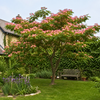
Most two characteristic features. Leaves — large, pinnate, lacy like ferns — fold at night and during rain; this “sleepiness” gave the tree poetic names, like the Japanese nemunoki (the “sleeping tree”). And the famous “glowing at night”? It’s a beautiful myth: albicja nie jest bioluminescencyjna, a wrażenie blasku daje światło księżyca reflected from bright, silky stamens flowers. The flowers themselves — pink “pompoms” 3–4 cm in diameter — appear from June to August and attract bees and butterflies.
Although albizia you buy as a seedling, much more fun (and cheaper — a few euros per pack seeds instead of several dozen for a seedling) allows you to grow it from seeds. Watching how from a hard The seeds grow into an exotic tree, it has something captivating about it.
Before let's move on, let's clear up the naming confusion surrounding albizia prevails throughout Europe. It is colloquially called "mimosa" — and this is not not entirely a mistake, but also not true. Botanical mimosas are a separate genus (Mimosa), which includes, among others, the sensitive mimosa, folding leaves when touched. Albizia was once included in this genus, but today belongs to the genus Albizia. Moreover, florists in many countries still call another plant — silver acacia (Acacia dealbata), the one with yellow, fluffy balls associated with the beginning of spring. Three different plants, one common name — hence the constant misunderstandings.
So how recognize silk albizia? By three features at once: pink (nie żółte) jedwabiste „pompony", pierzaste liście składające się na noc and an umbrella-shaped, spreading habit. If you see pink, fluffy flowers on a tree with lacy, fern-like leaves that in the evening "fall asleep" — it is almost certainly Albizia julibrissin.
Where else often called the tree of happiness? In Asian cultures, albizia has for centuries associated with peace and harmony. The Chinese name hehuan ("together joy") makes it a symbol of a happy couple, and the bark and flowers are sometimes in used in traditional Chinese medicine as a remedy for calming and better sleep. In Japanese poetry nemunoki — "sleeping tree" — is even keyword (kigo) meaning a sleepy, summer evening. This symbolism only adds charm to the plant, which can enchant with its appearance even without it.
This question decides everything you will read next — because it depends on the form whether in your region where you plant albizia in the ground. The species occurs in two practically different "versions" of frost resistance.
Form gatunkowa Albizia julibrissin jest tą delikatniejszą — bezpiecznie assumes its hardiness at about –15°C. It is a typical candidate for container cultivation, and is suitable for ground only in the warmest regions of Europe.
Albizia różowa (Albizia julibrissin f. rosea) to forma znacznie hardier. It comes from the northeastern edge of the range (Korea, northern Chiny), jest mniejsza (5–7 m), ma kwiaty zawsze różowe i znosi mrozy nawet to about –25°C. It is this one that pushes the boundary of ground cultivation far to the north and it received the Royal Horticultural Society Award of Garden Merit). If you dream of albizia growing in the garden, not just in a pot, choose the resistant form rosea.
Remember, however, o uniwersalnej zasadzie: młode drzewo jest znacznie wrażliwsze niż okaz several years old, and the non-woody shoot tips usually freeze anyway — this is normal. Resistance increases with each season, as the wood hardens and rooting. The given temperatures apply to already established plants.
No less important more than the zone itself is the microclimate of your site. A warm, sheltered a corner by the south wall of the building, away from frost pockets and drafts, can “shift” the plant half a zone warmer — and decide whether albizia will survive the winter. Therefore, when choosing a place, look for the warmest and most the sunny spot you have available.
Here is the essence — because “albizia in Europe" means something completely different in Sicily than in Finland. Below are four climate zones and practical tips for each of them. Find yours.
How to determine, which zone do you belong to? The easiest way is to check your hardiness zone (in Europe, a scale similar to the American USDA zones is used). In general, in short: zones 9–10 are the warm south, where albizia grows in in the ground without protection; zone 8 is a large part of Western Europe, gdzie grunt jest realny, zwłaszcza dla odpornej formy rosea; strefy 6–7 to Europa Środkowa, gdzie grunt bywa możliwy tylko dla rosea w warmer areas; and zones 5 and below — cool north and east — practically mean only container cultivation. Knowing your zone, from you immediately know which of the following sections to look for tips in.
Here albizia feels at home. Mediterranean climate — hot, sunny summers and łagodne zimy — to warunki niemal idealne. W tych krajach albicję sadzi się bez obaw do gruntu, także formę gatunkową, i często spotkasz ją jako drzewo street, park or terrace, covered with flowers. Flowering here is the most abundant and longest, and the tree reaches full size. The only thing worth be careful, it is overwatering — albizia prefers drought over wet feet, so water rarely but deeply, especially in hot summers. Winter covering is zbędne. Warto też wiedzieć, że w najcieplejszych rejonach albicja bywa tak expansive, spreading spontaneously — in some countries it is considered even considered an invasive species. For you, this means one thing: in these conditions grows exceptionally easily, and young self-seeded plants can be transplanted to a chosen spot.
Klimat jest tu łagodny, humid soil and less sunny — winters are rarely severe (ocean influence), but summers are cooler than in the south. Albizia can be successfully grown in in the ground, especially in warmer regions (southern England, western France) and primarily as a resistant form rosea. Two wyzwania są typowe dla tej strefy. Po pierwsze mniej słońca i chłodniejsze summer mean weaker and later flowering — therefore the location must be maximally sunny and warm (for example by the southern wall). Secondly, moisture: on compacted, wet soils there is a risk of diseases, so ensure very permeable substrate and efficient drainage. In in cooler parts of the region, young trees should be covered for winter. A good pomysłem jest posadzenie albicji w osłoniętym, nagrzewającym się zakątku garden — under the southern wall, in a place reflecting heat — which partially compensates for cooler summer and improves flowering. In really humid in winters also avoid waterlogging around the roots, because it is they, not the frost itself, most often harm the tree in this zone.
To strefa kontynentalnych zim — frosty and long — and here the real “it depends” begins. The rule is simple: only the resistant form (rosea) is suitable for planting in the ground and only in warmer regions (for example western and southwestern Germany, western Poland, warmer parts of the Czech Republic; approximately zones 6B–7), in a warm, sheltered location, with covering young trees for winter. In cooler parts of the region, as well as for the species form, the only sure solution is growing in a large container: in summer the tree stoi w ogrodzie lub na tarasie, a na zimę trafia do jasnego, chłodnego room (about 5–10°C) — an unheated orangery, winter garden, bright basement. A potted tree in winter sheds leaves and enters dormancy — this is normal; then reduce watering to a minimum. A practical tip for this strefy: jeśli nie masz pewności co do zimy, zacznij od uprawy w donicy przez the first 2–3 years, until the tree becomes woody and gains resistance, and only then then — if you have a hardy rosea form and a warm, sheltered location — try transplanting them into the ground.
The most difficult warunki w Europie — długie, surowe zimy i krótki sezon wegetacyjny. Tu uprawa gruntowa praktycznie odpada; albicję prowadzi się wyłącznie w pojemniku, treating it like a container plant (similar to oleanders or small trees citrus). In summer, the tree benefits from the long, bright day outside, and before pierwszymi przymrozkami wędruje do chłodnego, jasnego pomieszczenia na wintering (about 5–10°C). The key here is patience and good “logistics” — a large pot on wheels makes autumn relocation easier. Do not expect flowering every year, but the tree itself, with its lace-like leaves, jest ozdobą przez cały sezon. Zadbaj o to, by pomieszczenie do zimowania było chłodne, but not dark — in warmth and darkness, albizia produces weak, bleached shoots. Water then only enough so that the root ball does not completely dry out, and take the tree outside only after the spring frosts have passed.
Krótko: im further north and east, the more often albizia moves from the ground to a pot. In the south, it is a garden tree; in central Europe — a compromise between ground (form rosea) and container; in the north — exclusively container wintering under the roof. Always start choosing the form and cultivation method from this map.

For most czytelników w środkowej i północnej Europie to właśnie zimowanie jest key to success — because the tree will spend the winter not in the ground but in a pot under dachem. Na szczęście albicja jest liściasta i zimą naturalnie zrzuca liście and enters dormancyso it doesn’t need much light then like evergreen plants. Here’s how to safely get it through the cold months.
1. Wybierz właściwy moment. Wnieś drzewo do środka przed the first frostswhen nights start regularly cooling down in around zero. Earlier, gradually reduce watering and stop fertilizing so that the plant has had time to prepare for dormancy.
2. Provide coolness. The ideal wintering temperature is around 5–10°C — unheated orangery, winter garden, bright garage, a cool hallway or basement with a window. In too warm a place, the tree will not rest and will produce weak, pale shoots.
3. Water sparingly. During dormancy, the root ball the root ball should be barely moist — water rarely, only to the roots have not completely dried out. Excess water in winter is the most common cause rotting.
4. Wake up gradually. In spring, when the days get longer, move the tree to a brighter and slightly warmer place, increase watering, and only put it outside after the frost has passed and after a short hardening.
One more rzecz specyficzna dla uprawy pojemnikowej: albicja rośnie szybko, więc co transplant it every 2–3 years in spring to a larger pot, replacing part of the substrate to fresh and permeable. A large, heavy container placed on a tray on wheels greatly facilitate autumn and spring transfers.
Regardless of regionu, początek jest ten sam: nasiona. I tu od razu rozbijmy najczęstszy mit — że nasiona albicji trzeba stratyfikować chłodem (mrozić w lodówce). To not true. Albizia comes from a warm climate; its seeds do not have dormancy interrupted by cold, but they have a hard, waterproof shell (physical dormancy). Until water penetrates inside, the seed will not start — and no weeks in the fridge will change this. The key is scarification, meaning breaking the shell. Studies on the species’ germination confirm that it is precisely damaging the seed coat drastically increases the germination rate.
5. Scarification (mandatory). Rub the edge of each seed with sandpaper (grit 120–180) or treat seeds with boiling water and leave to cool for about 24 hours. The goal is thinning the hard coat to let water through.
6. Namaczanie. Skaryfikowane nasiona włóż na 24 godziny do ciepłej wody (30–40°C). Te, które wyraźnie napęcznieją, are ready for sowing; scarify the rest again.
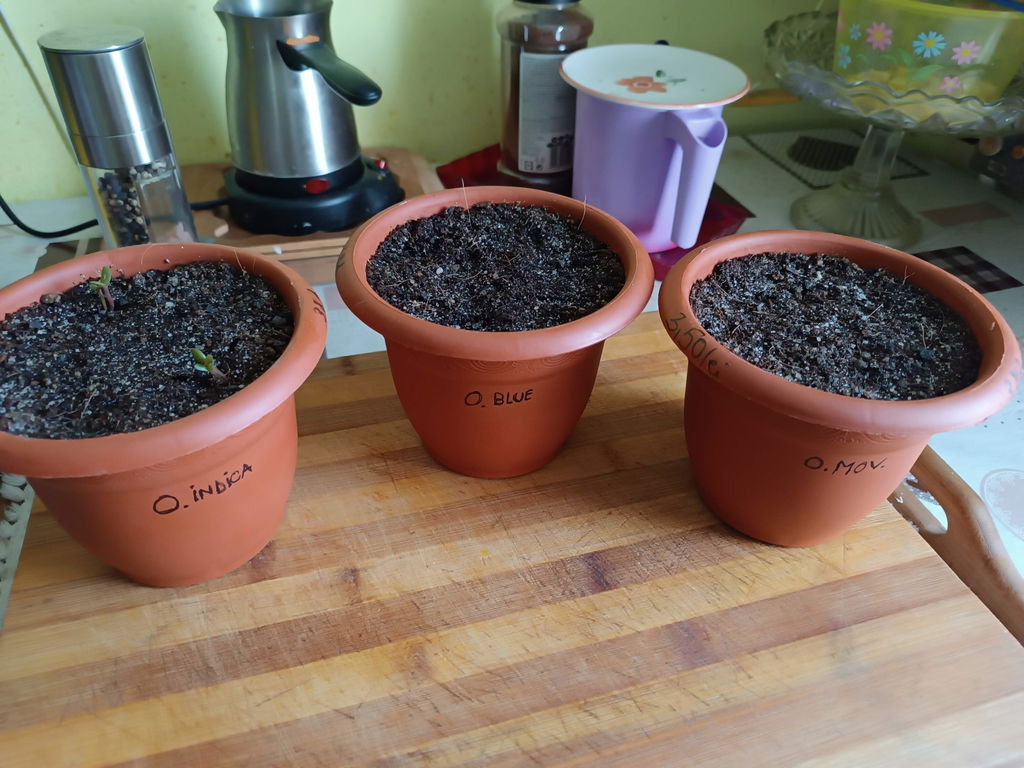
7. Podłoże i wysiew. Wysiewaj na głębokość około 1 cm w lekkie, przepuszczalne, jałowe podłoże (na przykład ziemia do sowing mixed with perlite in a 1:1 ratio), in pots with drainage.
8. Warmth and humidity. Maintain 20–25°C and high humidity under cover or in a mini greenhouse; daily ventilate to prevent mold. Stable warmth and humidity will provide sowing accessories.
9. Germination and pricking out. Sprouts appear usually after 2–4 weeks. When seedlings reach 5–7 cm and produce two pairs of true leaves, transplant them individually into their own pots.
Best date it is early spring so the seedling has time to grow and harden before the first winter; with a heating mat and additional lighting, summer sowing is also successful. Seeds that you don’t sow immediately, don’t throw away — albizia has long-lasting seeds, and their viability depends on storage conditions (dry, cool, dark), not from the "expiration date."
What to do, gdy nasiona nie kiełkują? Najpierw spokojnie — albicja wschodzi nierównomiernie, so some seeds will sprout after two weeks, and some only after six. If however, a month passes and nothing happens, the cause is almost always one of three. First, too weak scarification — seeds that after soaking not swollen, did not let water through; treat them again with sandpaper and soak again. Secondly, too low substrate temperature — the air in the room can be 22°C, while the soil on a cool windowsill only 16–17°C; here a heating mat helps. Thirdly, overwatering and mold — too wet substrate results in seed rot, so keep them slightly moist, not wet. Do not don’t be discouraged by one failed attempt — it’s a normal learning stage.
Young albizia it almost always dies for two reasons: excess water or lack of sunlight. This is a drought-tolerant plant — it cannot stand wet roots — so water it only when the surface of the substrate dries, preferably from below. Too wet and warm substrate is a sure way to seedling damping-off (seedling suddenly falls over, narrowed just above the base); prevented by watering from below and good air circulation. Provide maximum light — seedlings in shade stretch and weaken.
Older albizia likes full sun and a place sheltered from wind (branches are brittle). The soil should be well-draining, with a pH from slightly acidic to neutral; the plant tolerates poorer substrates as long as they are not constantly wet. In a pot make sure to provide a thick drainage layer.
During the first 6–8 tygodni po wschodach nie nawoź. Później, w sezonie wegetacyjnym, use fertilizer sparingly and with low nitrogen content — excess nitrogen promotes soft leaves at the expense of woodiness and flowering, and non-woody shoots worse tolerates winter. Stop fertilizing from autumn.
The tree grown indoors harden gradually before moving outside — start from mid-May (when nights stay above about 10°C), from a few hours in partial shade, gradually increasing sun exposure.
Where posadzić i jak formować? Albicja to roślina wręcz stworzona na soliter — a single specimen in a prominent place, where its umbrella-shaped crown and evening blooming will be fully visible; it looks beautiful in gardens in the style of Mediterranean and oriental, and its lacy crown casts a light, lace-like cień. Cięcie znosi dobrze: wczesną wiosną możesz skorygować pokrój i usunąć frost-damaged shoots, and in container cultivation regular pruning helps keep the tree in check. If you like challenges, small, feathery leaves make albizia also great for bonsai.
And most importantly ostrzeżenie, które oszczędzi Ci stresu: albicja rusza z wegetacją wyjątkowo late. When everything around is already green, it stays through all of May and early in June can look like a dry stick. Don’t throw it away! This feature odnotowują nawet ośrodki naukowe — Oregon State University directly advises not to rush cutting “dead” tree in spring. Scrape a piece of bark: a green layer underneath means the shoot is alive.
Is albizia will silky albizia survive winter in my part of Europe?
It depends on zones and forms. In southern Europe it grows in the ground without problems; in Europe Western and warmer parts of Central Europe — mainly the form rosea in the ground (down to about –25°C); in the cooler part of the continent and in the north — in a pot, with overwintering in a bright, cool room. Details can be found in the section about zones of Europe above.
Albizia for ground or pot?
Simplify it like this: full sun and mild winter → ground; continental or harsh winter → pot overwintered under a roof. In the intermediate zone, reserve the ground for the hardy form rosea in a warm, sheltered location.
Are the seeds Do albizia seeds need stratification in the fridge?
No — this is a common mistake. Seeds do not have dormancy broken by cold; they have a hard, a waterproof shell. Instead of freezing, use scarification (sandpaper abrasion or boiling water) and soaking in warm water.
When will albizia from seeds bloom?
Usually after 4–6 years — earlier in full sun and in the ground, later in shade or a tight pot. It is a plant for the patient.
Is albizia does it really glow at night?
Not literally — it is not bioluminescent. Its bright stamens reflect moonlight and of lamps, creating a delicate glow, and the leaves also fold at night, which enhances the effect.
From seeds will 'Rosea' or 'Summer Chocolate' grow?
From seeds you will get the typical form of the species or pink rosea (if you sow pink albizia seeds). Varieties like chocolate-leaf 'Summer 'Chocolate' propagates exclusively vegetatively (by grafting) — from you cannot reproduce seeds from them.
Is albizia does the silk tree shed leaves for winter?
Yes — this tree is deciduous, which loses leaves in autumn and enters dormancy. Therefore specimens overwintering in containers do not need much light, only coolness (about 5–10°C) and very sparing watering. In spring, after waking up, albizia leaves sprout again — usually very late, as it is among the latest starting trees.
How fast does albizia silk tree grow?
Quite fast — approximately 20–60 cm per year, especially in the first years and in in a sunny location. In the European temperate climate, it usually reaches 4–5 m; in the south it can be larger. It is also a relatively short-lived tree.
How big will albizia grow in a pot?
In a container albizia grows slower and remains smaller than in the ground — usually reaching 1,5–2,5 m, and you can further control its size by pruning and pot size. This a convenient solution for a terrace or balcony, especially in cooler regions, where it still needs to be overwintered under a roof. Just remember that a potted tree blooms much less often than those growing in the ground.
Is albizia is it poisonous to animals?
Caution — nasiona zawierają związki, które po zjedzeniu w większej ilości mogą być toksyczne for animals (including dogs). The tree itself is not harmful by contact, but keep seeds and pods out of reach of animals prone to nibbling plants.
Albizia silky proves that exotic plants are within reach in almost every part Europe — you just need to adapt the cultivation method to your zone. In the south plant it directly in the garden, in the continental center choose between the hardy the rosea form in the ground and overwinter the container under a roof, and in the north poprowadzisz ją jako roślinę kubełkową. Zapamiętaj trzy rzeczy: skaryfikuj nasiona (bez tego nie wzejdą), do gruntu wybieraj odporną formę rosea, and don’t panic if the tree looks dormant for a long time in spring. If you want to start your own adventure with the Persian silk tree, albizia seeds, and others exotic species can be found in our collection.